Digital Packing Planner Tips to Stop Overpacking Fast
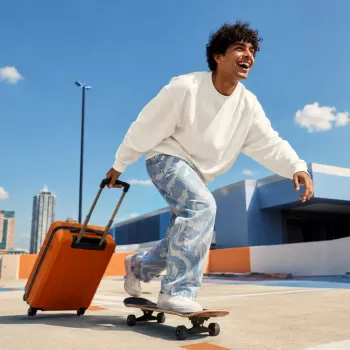
How do you use a digital packing planner to avoid overpacking on short trips?
A digital packing planner helps most when it’s used like a decision tool, not a dumping ground for “just in case” items. Start by entering the basics: trip length, destination, weather, and the main activities (work meetings, beach day, hiking, dinner out). This gives your list a purpose and keeps it from turning into a closet inventory.
1) Build a “capsule” around outfits, not items
Instead of listing ten separate tops, plan complete outfits first—then only pack the pieces required to create them. Aim for a simple color palette so everything mixes and matches. For a 2–3 day trip, a common rule is one main outfit per day plus one nicer option if needed.
2) Use quantity limits and “one in, one out” rules
Most digital planners let you set item counts. Cap categories like shoes (usually 2 pairs), outerwear (1), and bags (1). If you add a third pair of shoes, remove something else. This trade-off mindset is what stops the spiral.
3) Add laundry and rewear notes
Short trips rarely require fresh everything. Mark items as “rewearable” (jeans, sweaters, sleep shorts) and note quick refresh options (wrinkle-release spray, sink wash for underwear). Seeing rewear plans in your planner reduces the urge to pack duplicates.
4) Plan toiletries as a kit, not individual bottles
Create a reusable toiletries checklist once, then toggle items on/off based on the trip. Favor travel sizes and multipurpose products (face wash that doubles as body wash, a balm for lips and dry skin). This keeps your list consistent and prevents random last-minute additions.
5) Do a final “carry test” before you zip up
Most planners allow a final review view. Use it to remove anything that doesn’t support an outfit, an activity, or a comfort need. If an item can’t be explained in one sentence, it likely doesn’t need to go.
For more tips and a step-by-step approach, visit the full guide: https://primetreasureplaza.shop/how-do-you-use-a-digital-packing-planner-to-avoid-overpacking-on-short-trips/.
FAQ
What should I include in a carry-on packing list for a weekend getaway?
Pack 2–3 mix-and-match outfits, 1 lightweight jacket, 2 pairs of shoes max, essential toiletries in travel sizes, chargers, and one compact “just in case” item like a mini first-aid kit. Keep valuables and a spare outfit in your personal item.











Leave a comment