Indoor Cat Enrichment: DIY Toys, Play & Home Setup
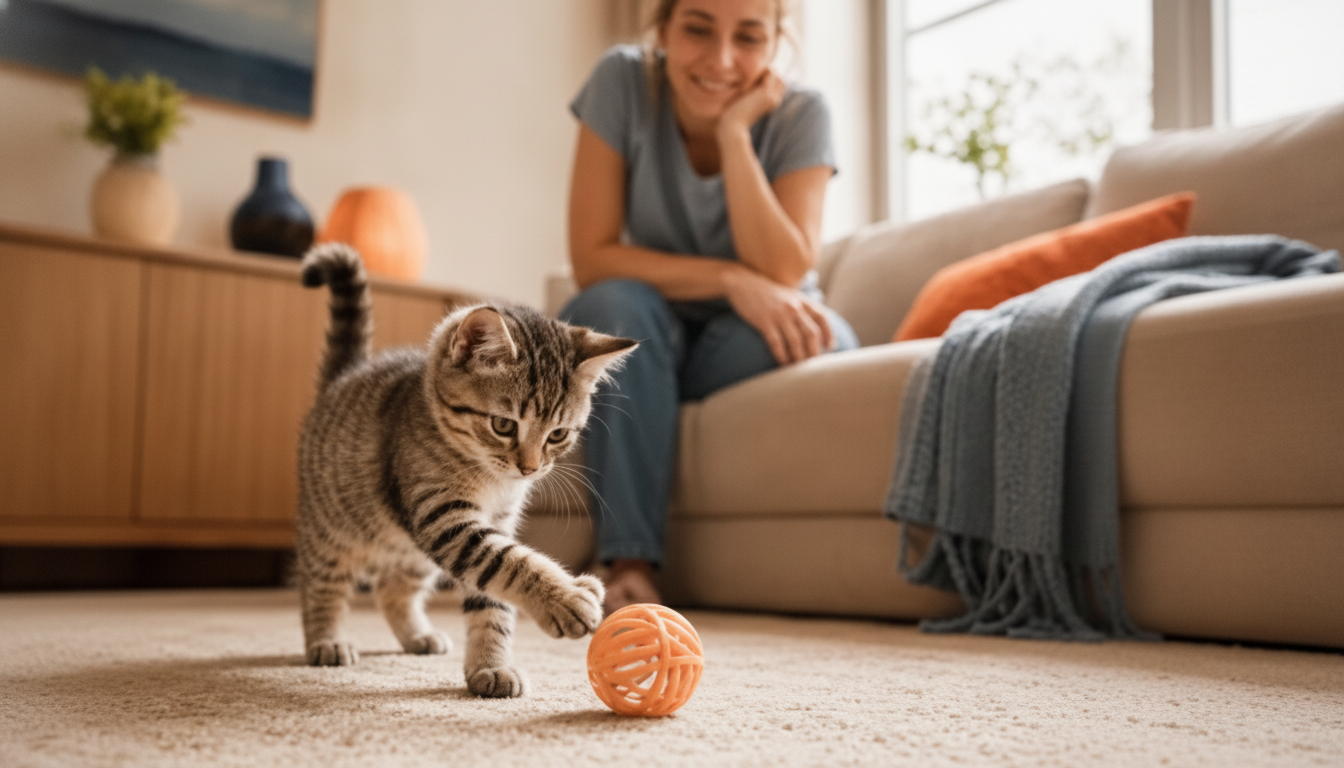
Enrichment Ideas for Indoor Cats: DIY Toys, Daily Play Routines, and a Cat-Friendly Home
Indoor cats thrive when their days include hunting-style play, problem-solving, climbing, scratching, and cozy recovery time. A simple enrichment plan helps reduce boredom, nighttime zoomies, and stress behaviors by giving cats predictable outlets for energy and curiosity—without needing a big budget or a huge home.
Many feline behavior recommendations emphasize meeting natural needs (like hunting and safe resting) through play, environment, and routine. For additional behavior and wellbeing guidance, you can explore resources from the American Association of Feline Practitioners (AAFP) and the ASPCA.
Start With Your Cat’s Enrichment Basics
Great enrichment doesn’t require constant novelty—it requires meeting a few core needs consistently. Think in categories, then mix and match based on your cat’s mood and energy.
- Cover the core needs: hunt (stalk–pounce–catch), climb, scratch, chew/lick, explore, and rest in a safe zone.
- Match enrichment to personality: confident cats often enjoy novelty; shy cats do better with gradual changes and predictable routines.
- Use “small and often”: 2–3 short play sessions beat one long session for most cats.
- Rotate instead of adding more: keep a few toys out, store the rest, and swap weekly to keep interest high.
- Watch body language: tail flicking, ears back, sudden avoidance, or overexcitement signals it’s time to pause or switch activity.
Quick Enrichment Menu (Choose 2–4 Each Day)
| Enrichment type | Easy ideas | Best for | Time needed |
|---|---|---|---|
| Hunt-style play | Wand toy chase, “hide the lure” behind furniture, short sprints | High-energy cats, young adults | 5–10 min |
| Food puzzles | Treat scatters, paper “kibble burrito,” puzzle feeder | Food-motivated cats, solo time | 5–15 min |
| Climbing & perching | Window perch, shelf route, cat tree re-arrange | Curious observers, multi-cat homes | 10–30 min setup |
| Scratching & scent | Cardboard scratcher, sisal post, catnip rub | Most cats; stress relief | 2–5 min |
| Calming enrichment | Lick mat, grooming session, quiet hideaway | Shy/senior cats, post-play wind down | 5–10 min |
DIY Toy Ideas Using Household Items
DIY toys can be surprisingly effective because they’re lightweight, skittery, and easy to “ambush.” Keep sessions supervised when you’re testing anything new.
- Paper ball chase: Crumple a sheet of paper into a loose ball; roll it down a hallway for a low-cost “prey” target.
- Box “peek-and-pounce” station: Cut a few paw-sized holes in a cardboard box; place a toy inside for batting and ambush play.
- Toilet-paper-roll puzzle: Fold one end, add a few treats or kibble, fold the other end; supervise until the cat learns to shred safely.
- Sock “kicker” toy: Fill an old sock with fabric scraps; tie off firmly; use only under supervision and remove if seams loosen.
- Ribbon-free teaser: Avoid loose string, yarn, or ribbon; choose sturdy wand attachments designed for cats and store after play.
- Catnip alternatives: Some cats prefer silvervine or valerian; introduce small amounts on a scratcher or toy (not on bedding for excitable cats).
Play Routines That Fit Real Life (Morning, After Work, Bedtime)
Consistency matters more than duration. A predictable rhythm helps many cats settle because they learn when “hunt time” happens and when it’s time to rest.
- Morning “mini-hunt” (5 minutes): Quick wand play + a small meal to satisfy the hunt–eat–groom–sleep cycle.
- After-work decompression (10 minutes): Interactive play that includes hiding the toy behind corners, then letting the cat “win” at the end.
- Bedtime reset (5 minutes): A calm play session followed by a small snack to reduce nighttime restlessness.
- Make solo time easier: Set out a puzzle feeder or treat scatter before leaving; remove tiny pieces that could be swallowed.
- Keep sessions structured: Start slow, build intensity, then taper down to prevent overstimulation.
- If biting or swatting happens: Redirect to a toy, end play briefly, and resume with less intensity and longer distance.
If your household has multiple caregivers, a simple written routine can keep timing and “rules” consistent. A ready-to-use resource like the Printable cat enrichment guide with DIY toys and play routines can make it easier to stick with short daily sessions and rotation schedules.
Build a Cat-Friendly Home Without Major Renovations
A cat-friendly home is less about square footage and more about smart “cat zones.” Aim for options: multiple places to climb, scratch, and retreat—especially in busy or multi-pet homes.
- Create vertical space: Add a sturdy cat tree near a window or use wall-mounted shelves rated for pet weight.
- Offer safe hiding spots: Covered bed, carrier left open, or a quiet box “cave” in low-traffic areas.
- Set up scratching zones: Place scratchers near sleeping areas and entry points where cats naturally mark territory.
- Window enrichment: Bird-watching perch, secure screen checks, and a comfortable pad; rotate views by changing rooms when possible.
- Scent enrichment: Occasional new safe scents (catnip, silvervine), and avoid harsh air fresheners that can irritate cats.
- Noise and chaos control: Give cats an escape route in multi-pet homes and provide multiple resources (litter boxes, water, beds).
Food-Based Enrichment That Doesn’t Overfeed
If you’re trying to keep enrichment consistent while managing overall household spending, a planning tool can help balance pet supplies with other essentials. The Budgeting Like a Pro: Complete eBook can be used to set a monthly “pet enrichment” line item for toys, scratchers, and puzzle refills—so enrichment stays routine instead of random.
Safety Notes: What to Avoid and When to Ask a Vet
A Simple Weekly Rotation Plan
FAQ
What are easy cat enrichment ideas?
Try fast options like a 5–10 minute wand session, paper balls down a hallway, a quick treat scatter using part of the daily food, a cardboard box “pounce” setup, a window perch for bird-watching, and a reliable scratcher near sleeping areas. Rotating toys weekly often boosts interest more than buying new items.











Leave a comment